When John White finally made it back to Roanoke Island in 1590, the English settlement he had left three years earlier was empty. The Roanoke Colony’s settlers had vanished, leaving one word carved into a post: CROATOAN. No one has ever proven what happened to them, but the clues point more toward a move than a massacre.
What the Roanoke Colony Was
The name covers two tries, both backed by Sir Walter Raleigh, at a lasting English foothold in North America, on an island in what is now Dare County, North Carolina. The first, a military outpost founded in 1585, was abandoned the following year; the second, which became known as the Lost Colony, arrived under John White in 1587.
That 1587 group was a real community: 118 men, women and children. Their destination was Chesapeake Bay, yet Simon Fernandes, who commanded the ships, would take them no farther than Roanoke. The venture was already expensive, having cost 30,000 pounds by then, a steep sum for the time.
That August, the colony welcomed Virginia Dare, White’s granddaughter and the first English child born in the Americas, on August 18. Eleven days later, White sailed for England to fetch more settlers and supplies. Before he left, the colonists agreed that if they all moved off the island, they would leave word of where they had gone.
Why White Was Gone for Three Years
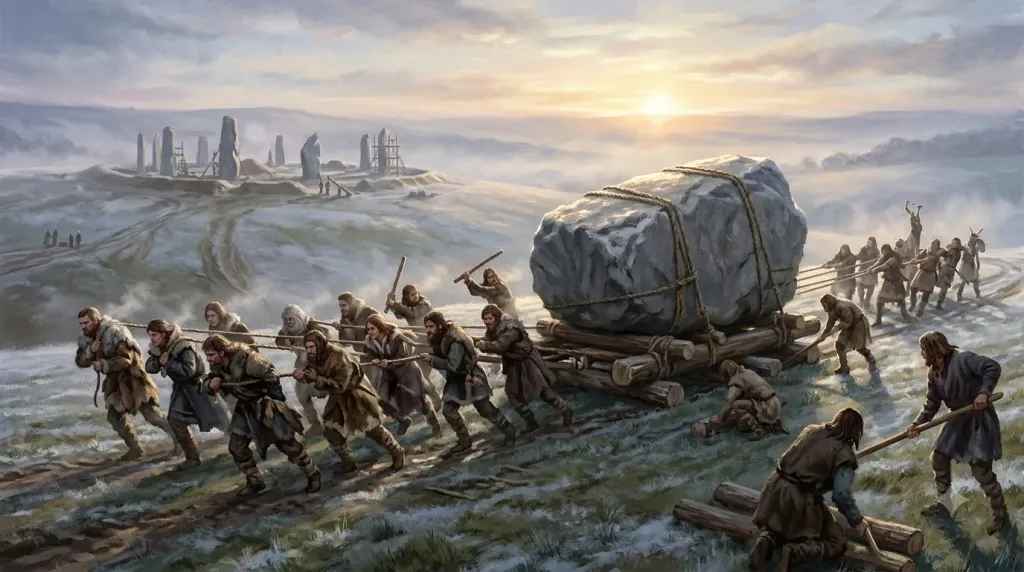
White had spent only a little over a month on the island. He reached England on November 8, 1587, and went straight to Raleigh, but England was bracing for war. With the Spanish Armada preparing to attack, Queen Elizabeth ordered every seaworthy ship to stay in home waters for the coming battle. Back on the island, the settlers he had left faced shaky food supplies, tense relations with their Algonquian neighbors and a winter on the way. One setback followed another, and White could not return to Roanoke until 1590.
What White Found in 1590
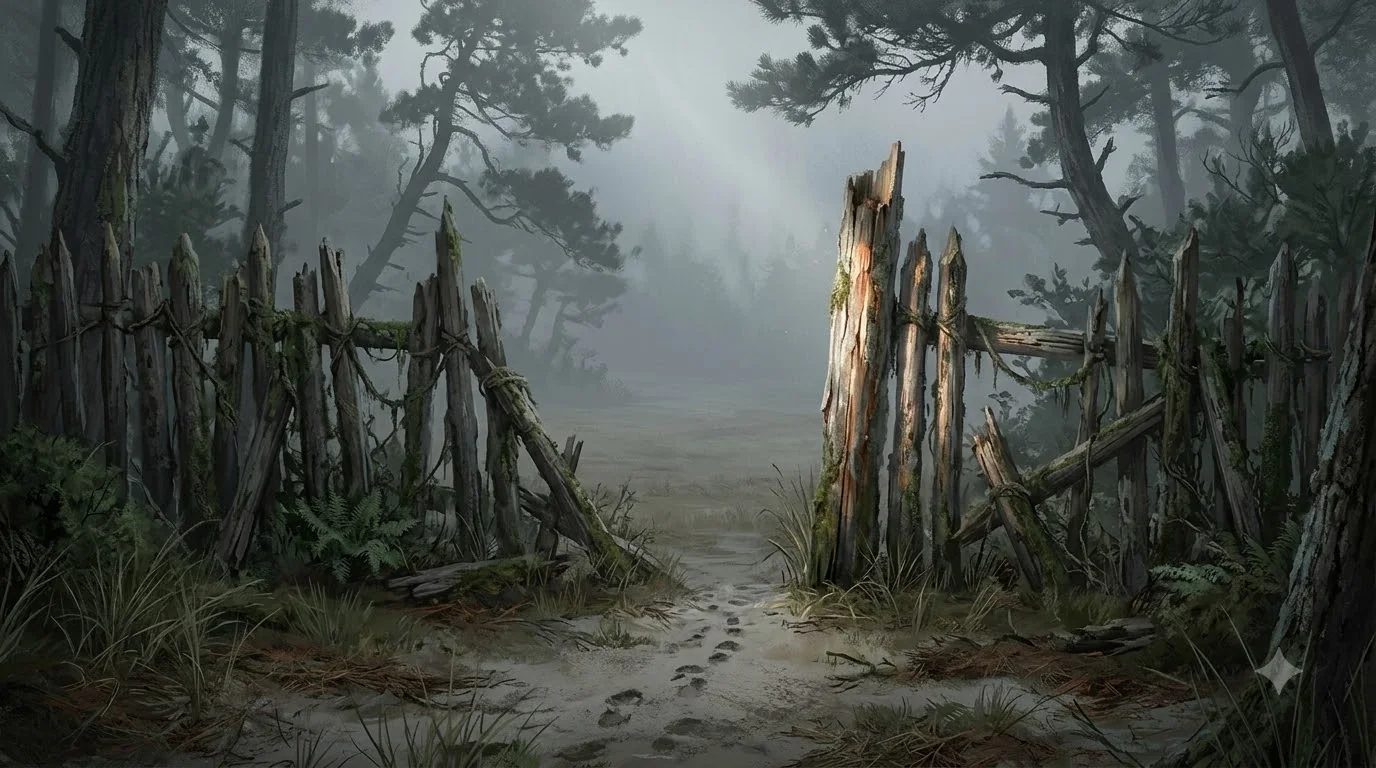
White’s party came ashore on the morning of August 18, 1590, which was Virginia Dare’s third birthday. They saw fresh footprints in the sand but met no one, and on a tree they found the letters CRO. At the settlement, which had been fenced with a wooden palisade, the full word CROATOAN was carved into a post by the entrance.
To White, that was good news. Before he left, the colonists had agreed to carve a cross if they were forced to leave under threat, and there was none; the houses had been taken apart and anything portable carried off, which looked like an orderly move rather than an attack. He took it to mean they had gone to Croatoan Island, home of a friendly Native community, but before he could sail there, rough seas and a lost anchor forced his ships home. He never confirmed his theory.
Theories About the Lost Colony
The National Park Service, which runs the Fort Raleigh site today, lists the main theories about the fate of the Roanoke Colony: a hurricane, famine and disease, a Spanish attack, a move north to Chesapeake Bay, a move up the Albemarle Sound, or a move south to Croatoan, today’s Hatteras Island. The idea that the colonists joined nearby Native communities is old; it shows up in writing as early as 1605.
The Hatteras Island Evidence
Digging on Hatteras Island, the University of Bristol archaeologist Mark Horton turned up European objects where a Native American village once stood, including pieces of a sword and of a gun. Finds like these may show settlers living among the Croatoan people, which is what the carving suggested.
Site X, Found on a Map
A second clue came from White’s own map. In 2011, the First Colony Foundation spotted two pasted-on corrections on La Virginea Pars, the map White drew in 1585, and when the British Museum examined it, one turned out to conceal a fort symbol at the head of the Albemarle Sound. The location was nicknamed Site X and dug in 2015, and in 2017 the foundation reported fragments of Tudor pottery and weapons, which it read as a sign of a small group of colonists living there peacefully. The catch, for both sites, is proving the objects did not arrive through trade.
The DNA Search
Genetics might settle it one day. Since 2005, the computer scientist Roberta Estes has organized projects to look for a genetic link between the colonists and Native American families. The difficulty is that ordinary DNA testing becomes unreliable after five or six generations, so researchers rely on Y-chromosome and mitochondrial DNA, which last much longer. Meanwhile, the Lumbee tribe of today identifies as descended from both the Croatan people and the Lost Colonists.
A Disappearance With a Forwarding Address
The disappearance is usually told as a ghost story, but the colonists did exactly what they had promised: they left a forwarding address. The real mystery is what happened after that, across decades in which no English ship came looking. Like the Oak Island Money Pit, it is a puzzle where the decisive evidence lies buried, and only patient digging, in the ground or in DNA, is likely to settle it.