
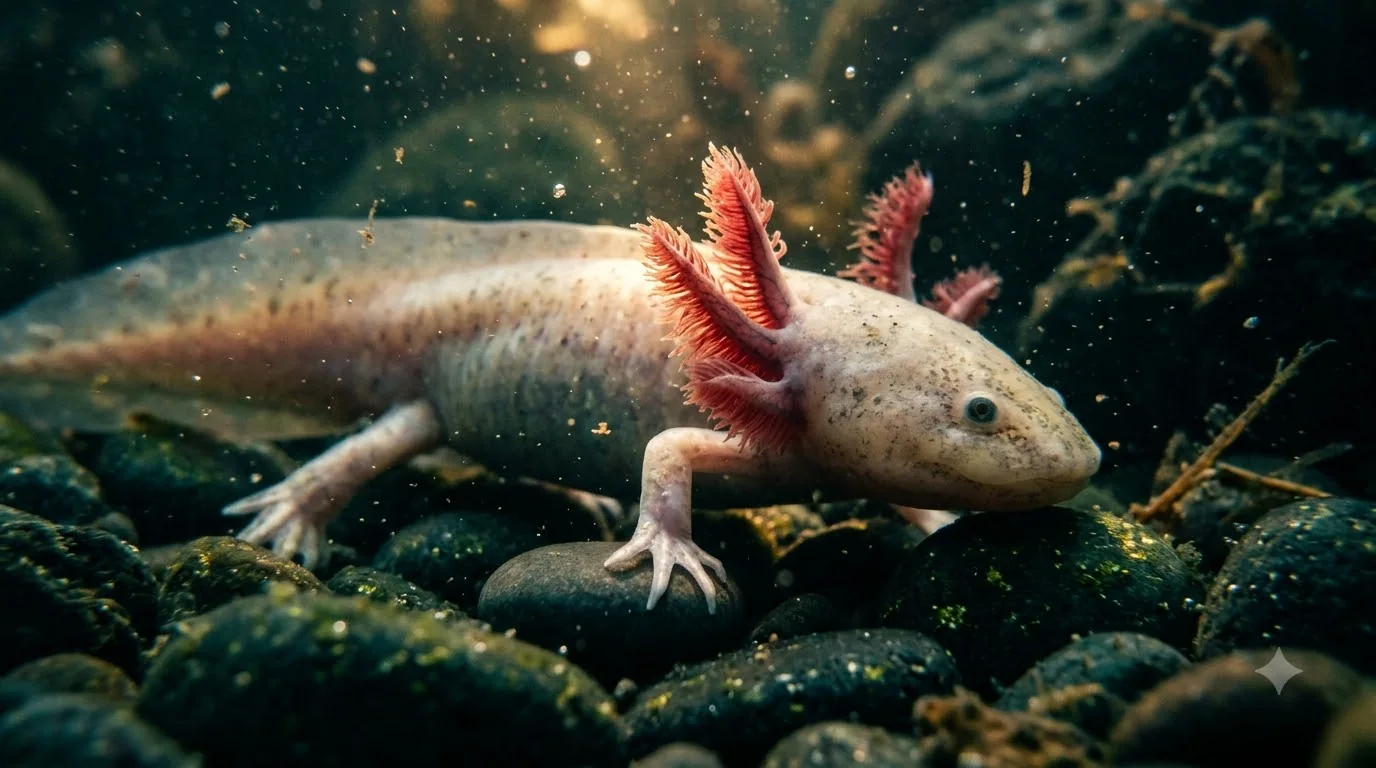
Salamanders regrow whole limbs, starfish regrow arms under specific conditions, lizards regrow tails, and zebrafish rebuild fins and heart tissue. That gap between what one animal can replace and what another cannot is the question worth asking.
Which animals regrow what
Salamanders, starfish, lizards, zebrafish and the African spiny mouse all rebuild lost parts, but what each can rebuild ranges from small repairs to whole limbs and, in some starfish, entire bodies, while most mammals manage only limited repair.
Four kinds of regrowth to keep apart
These cases get lumped together, but they are different events:
- Full limb regrowth: a whole limb replaced after amputation, as in salamanders.
- Tail regrowth: a tail dropped and replaced, as in some lizards.
- Organ or tissue repair: damaged tissue rebuilt, such as heart muscle in zebrafish.
- Repeated regrowth: axolotls and newts can regrow the same structures again and again over a lifetime, though how fast and how faithfully they do it can drop with age or after metamorphosis.
A regrown salamander limb is more than a patched wound, because the new part has to fit its place on the limb.
How a blastema rebuilds the missing part
Cut off a salamander’s leg and the cells at the cut do not simply seal over. Mature cells near the wound, mostly connective-tissue cells from the dermis, gather into a mass called a blastema. A signaling hub that forms over the wound, along with signals from nerves, prompts those cells to divide, and they replace only what was lost. The new tissue also seems to know its place, because a wrist blastema regrows a hand while a shoulder blastema regrows an entire arm. How that sense of position is kept is still not fully understood. This is the mechanism described in salamander limbs, and researchers still debate whether the blastema’s cells come from reverted mature cells or from stem cells.
Lizards: tails that come back with cartilage
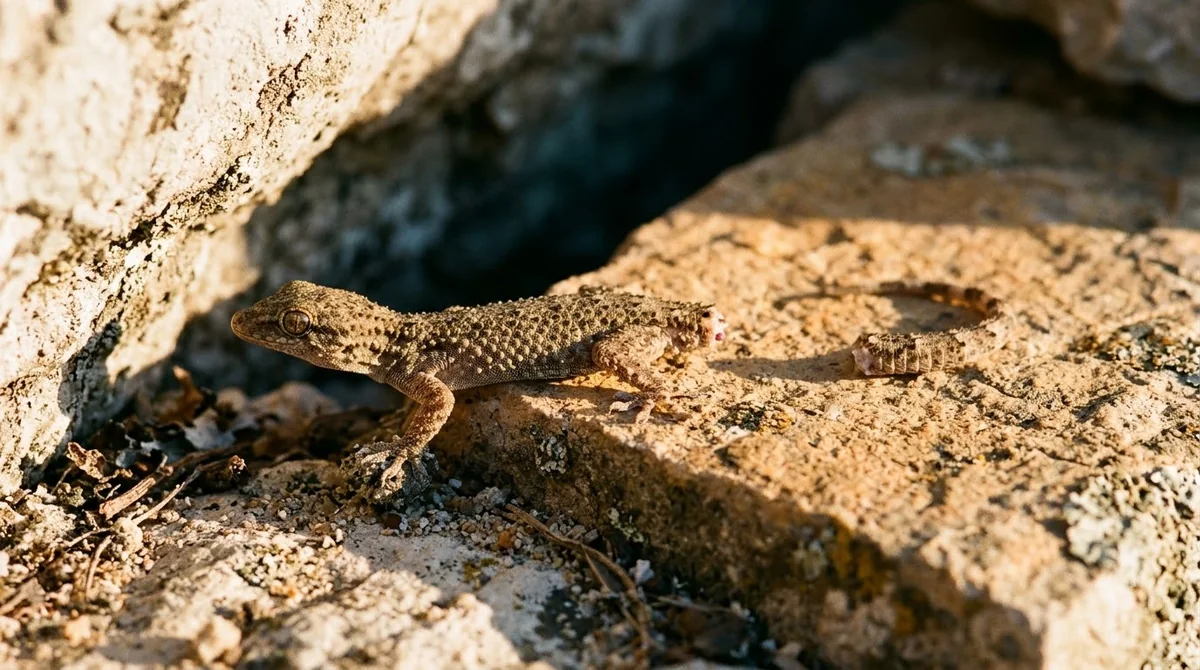
Some lizards shed their tails, a process biologists call autotomy, and the lost part is replaced through regeneration. Salamanders and lizards sit in the group that regrows what autotomy removes, while mammals are generally in the group that loses such parts for good. Some skinks and geckos go further and can shed patches of skin. The African spiny mouse, Acomys, is the first mammal in which skin autotomy has been demonstrated. After skin loss, the wound contracts rapidly and hair follicles regenerate in dorsal skin wounds.
Zebrafish: fins and a heart that rebuild
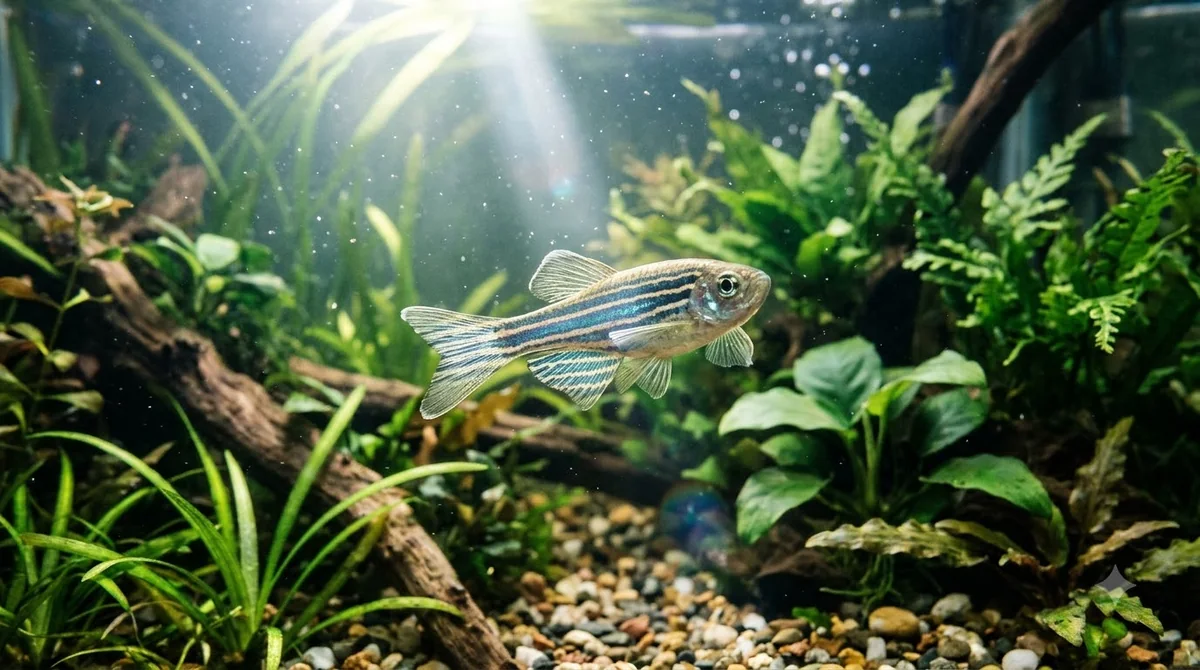
Zebrafish can rebuild many organs, from the liver and retina to the spinal cord, the optic nerve, fins and the heart. The heart is the most striking case. If 20% of the ventricle, the main pumping chamber, is cut away, the heart muscle fully regenerates within 1 to 2 months. Heart muscle cells begin dividing about 7 days after injury and peak around 14 days. The new cells replace most of the lost ventricular tissue. For heart muscle cells to divide again, they must first partly revert to a less specialized state. A scar forms, but it is later absorbed, and the heart still regenerates after cryoinjury, a freezing-based injury.
Spiny mice: a mammal that regrows skin and ear tissue
The African spiny mouse (Acomys) is the first mammal shown to shed skin on purpose. Its skin tears under very low tension and has no fracture plane, which helps explain how it can shed a patch. Once a patch is lost, the wound pulls in quickly, and hair follicles regenerate. Ear holes regrow the same kinds of tissue, including hair follicles, sebaceous glands, dermis and cartilage. In ear punches, the mice also regrow adipose tissue, the fat layer.
The limits are important. The evidence covers skin and ear tissue in one species, not limbs. The authors only suggest that ear regeneration may work by building a structure similar to a salamander’s blastema. They argue that mammals may keep more regenerative capacity than was believed, and that Acomys may help reveal how to promote regeneration instead of scarring.
Starfish: arms that need part of the central disk
Rebuilding a whole body is the exception, not the rule. Most starfish species need the central body intact to regrow arms. A starfish with a disk that holds half or more of the original body can regrow several lost arms. One with less than half can rebuild a full starfish, provided some of the central disk remains. A handful of tropical species break the pattern, growing a complete starfish from a piece of one severed arm.
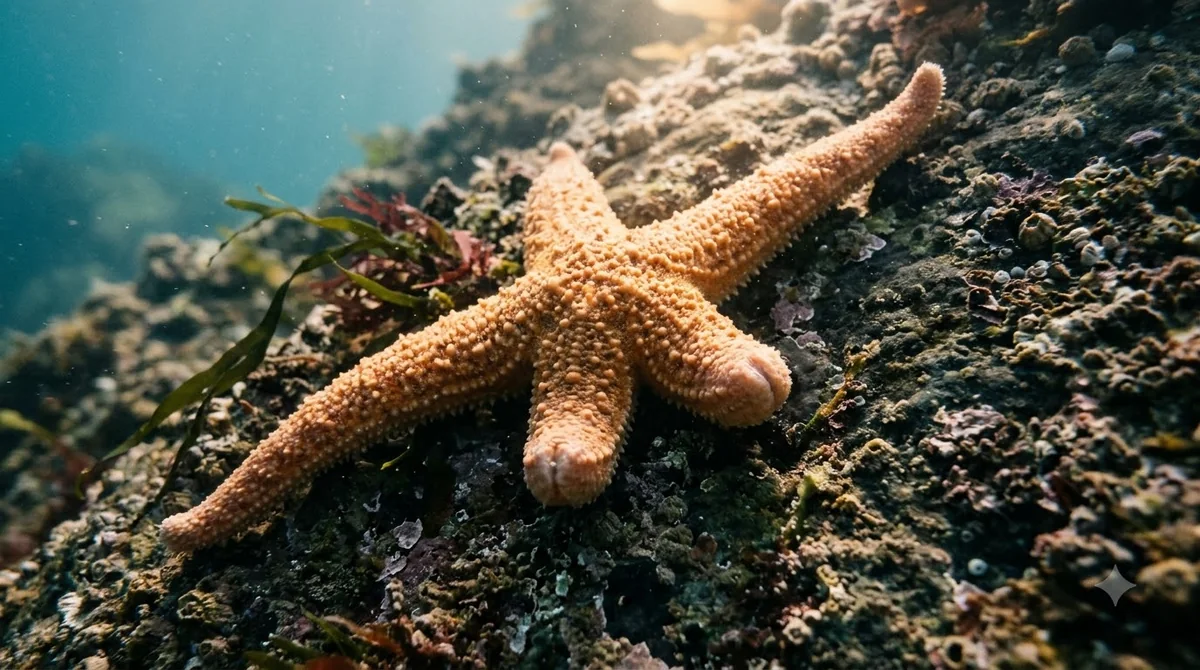
Regrowth can take anywhere from a few months to more than a year after injury. The molecular machinery behind it is still poorly understood. Crown-of-thorns starfish, which feed on Indo-Pacific coral reefs, can regrow lost parts when half or more of the body is still intact, which makes them very hard to wipe out. Early 1960s control efforts that caught starfish, cut them up and released the pieces may have unknowingly worsened outbreaks, a point that is still debated. Because regrowth depends on how much of the body and central disk survives, a cut-up starfish does not automatically become several new ones.
Newts: whole limbs, with muscle from different sources
Newts can grow back a limb completely after it is cut off. They can repeat the feat through life, though the rate and fidelity can decline with age or after metamorphosis, the change from larva to adult. The muscle inside a new limb comes from different sources depending on the animal’s life stage. In axolotls and larval newts, muscle is rebuilt by recruiting satellite cells, a reserve of muscle-building cells, to the blastema. In adult newts, muscle fibers break into fragments, and the fibers’ cells re-enter the cell cycle to supply the new muscle. Species and life stage change the route, so regeneration depends on a mix of mechanisms that differ between tissues and across the life cycle.
Axolotls: whole limbs copied with high fidelity
Axolotls can regrow limbs, the spinal cord, parts of the brain and heart tissue across their lives. Regrown axolotl limbs are high-fidelity copies of the originals, built from the same cell lineages in the same relative proportions. Researchers reached that finding by using CRISPR/Cas to create permanent genetic marks in cells, so each marked cell’s descendants could be followed. The accuracy held through repeated amputations, with no decline in how faithfully the cell lineages were copied.
The picture is not perfect. Some cell lineages seen in the original limb were missing from the first regrown limb, and whether they were truly lost is unclear. The authors suggest some were truly lost while others were simply not detected, but this remains a hypothesis.
Mammals and humans: what regrows and why it is limited
Mammals can regrow small things. Spiny mice regrow skin and ear tissue. Neonatal mouse hearts regenerated within 21 days after the apex, or tip, was removed, but this ability is lost by postnatal day 7. Fetal skin in many mammals heals without scarring. For most human tissues, regenerative capacity after injury is very limited. The heart shows why. Most mammalian heart muscle cells are terminally differentiated and unable to divide, so injury leads to scarring that reduces heart function.
A salamander limb comes back because mature cells near the cut step back into an immature state and gather into a blastema, a mass of cells that divides and replaces only the missing tissue. The mammal heart does not rebuild that way. After a heart attack in an adult mouse, the epicardium, the thin outer layer of the heart, stays as a thickened layer on the surface and does not move into the muscle. Even the growth factors these cells release are not enough for a mammal heart to regenerate fully on its own.
Zebrafish make the contrast sharper. Their hearts still regenerate fully after cryoinjury, and the scar is later absorbed or resolved. How that scar is cleared is still unknown. Researchers also do not yet know how blastema cells keep track of their position or how much tissue to regrow.
So the gap is not one switch. Regeneration depends on many mechanisms that vary by tissue and life stage. Whether the mouse heart’s lost capacity can be reactivated, even in adult hearts, is still an open question.
Human limbs do not regrow after amputation. Mammals generally lose parts that other animals replace. Scientists still do not fully know what makes an animal capable of regeneration. The short answer for people is that a lost limb cannot be rebuilt, while most human tissues can manage only limited repair after injury.
For now, the mammal results describe small-scale repair rather than a route to a new limb. Nothing in the examples here offers a shortcut for people who want to regrow tissue lost to injury.
What the difference teaches
The more useful question is not which animal can regrow, but what its cells do after the cut. In a salamander limb, cells build a blastema and rebuild only what is missing. In a mammalian heart, the same kind of wound often becomes a scar. Researchers hope to learn which steps make that difference, and starfish and spiny mice are among the animals they are studying for clues.
Fact or Myth?
- Every severed starfish arm can grow into a whole new starfish.
Show answer
Myth. Most species need part of the central disk to regrow. Only a handful of tropical species can grow a complete starfish from a piece of one arm. - Zebrafish can regrow heart muscle after part of the heart is cut away.
Show answer
Fact. When 20% of the ventricle is removed, the heart muscle fully regenerates within 1 to 2 months. - The African spiny mouse can regrow ear tissue, including cartilage and hair follicles.
Show answer
Fact. Ear holes fill back in with hair follicles, sebaceous glands, dermis and cartilage. The evidence covers skin and ear tissue, not limbs. - A regrown axolotl limb is a rough, scarred copy of the original.
Show answer
Myth. Lineage tracing shows regrown limbs are high-fidelity copies, built from the same cell lineages in the same proportions. - Newborn mice keep the ability to regrow heart tissue for life.
Show answer
Myth. Neonatal mouse hearts regrew their tip within 21 days, but the ability is lost by postnatal day 7.
Sources
- Lineage tracing of genome-edited alleles reveals high fidelity axolotl limb regeneration – PMC (nih.gov)
- Starfish regeneration – Wikipedia (wikipedia.org)
- Skin shedding and tissue regeneration in African spiny mice (Acomys) – Nature (nature.com)
- Heart Repair and Regeneration: Recent Insights from Zebrafish Studies – PMC (nih.gov)
- Modeling proximalisation in axolotl limb regeneration – Scientific Reports (nature.com)